
Pituitary tumour | Barbaros

Mast cell tumour / Mastocytoma | Edek
17 September 2021
Feline Injection-site Sarcoma / FISS | Czaruś
17 September 2021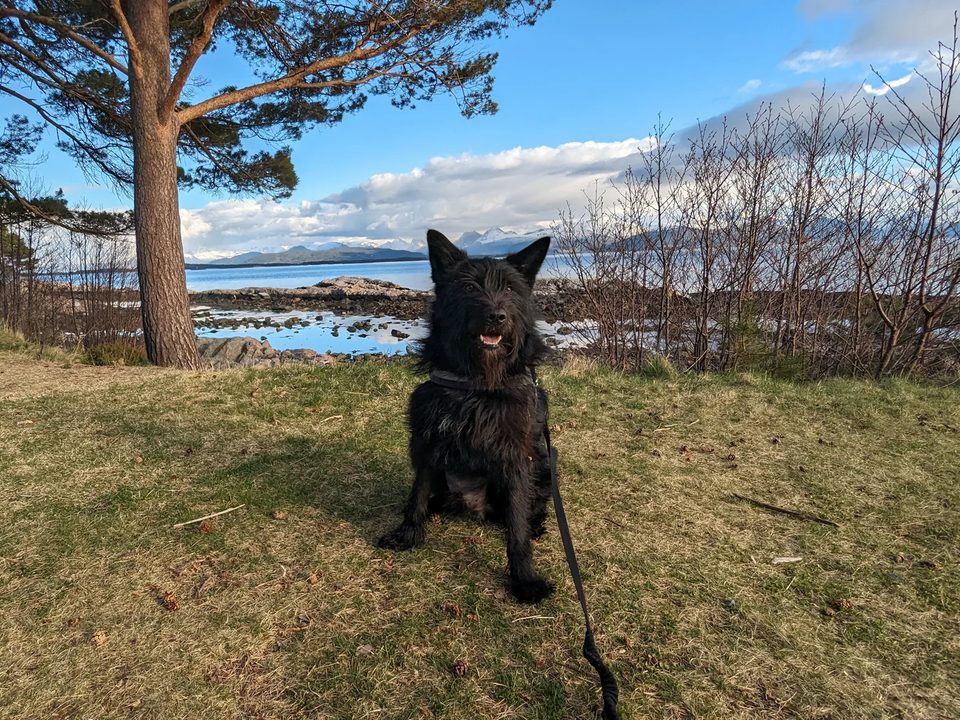
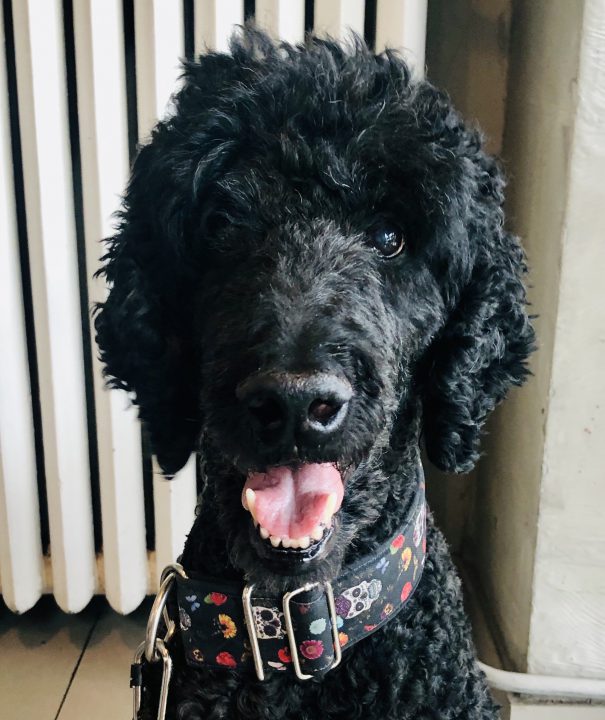
Barbaros’s story
Barbaros came for treatment to our centre from faraway Norway. The reason for radiotherapy was a pituitary tumour, which was causing both hormonal disturbances in the form of Cushing’s syndrome and neurological disturbances in the form of impaired vision.
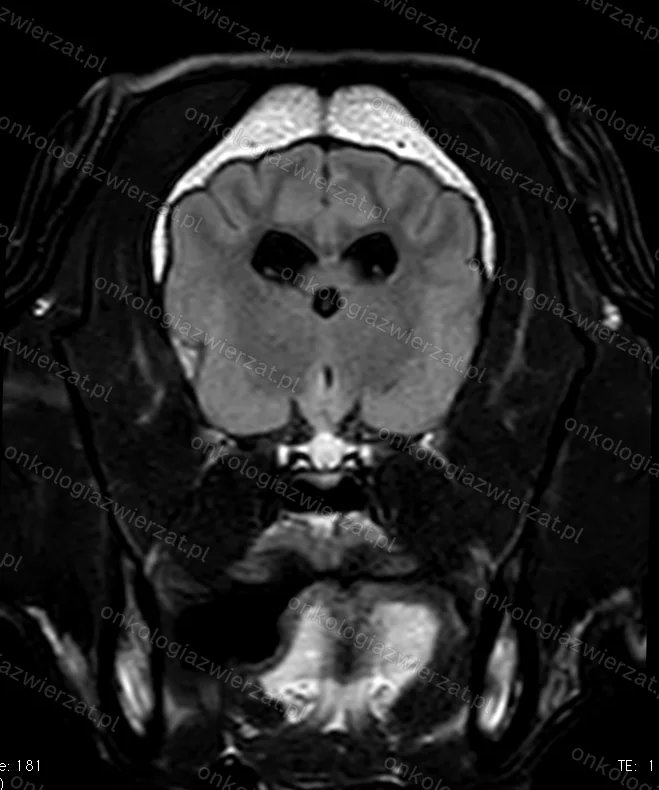
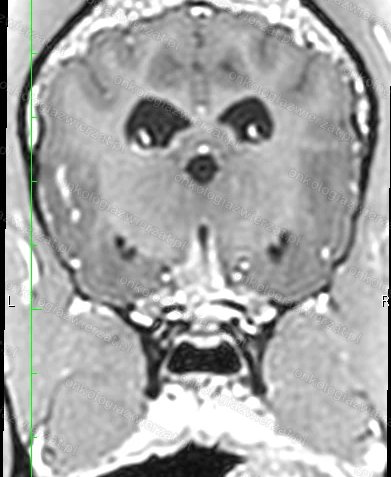
After a definitive radiotherapy protocol, we achieved complete remission of the tumour on MRI, together with control of the hormonal and neurological disturbances. With complete remission, Barbaros’s prognosis is very good and the risk of relapse is small. We are keeping our fingers firmly crossed for him!
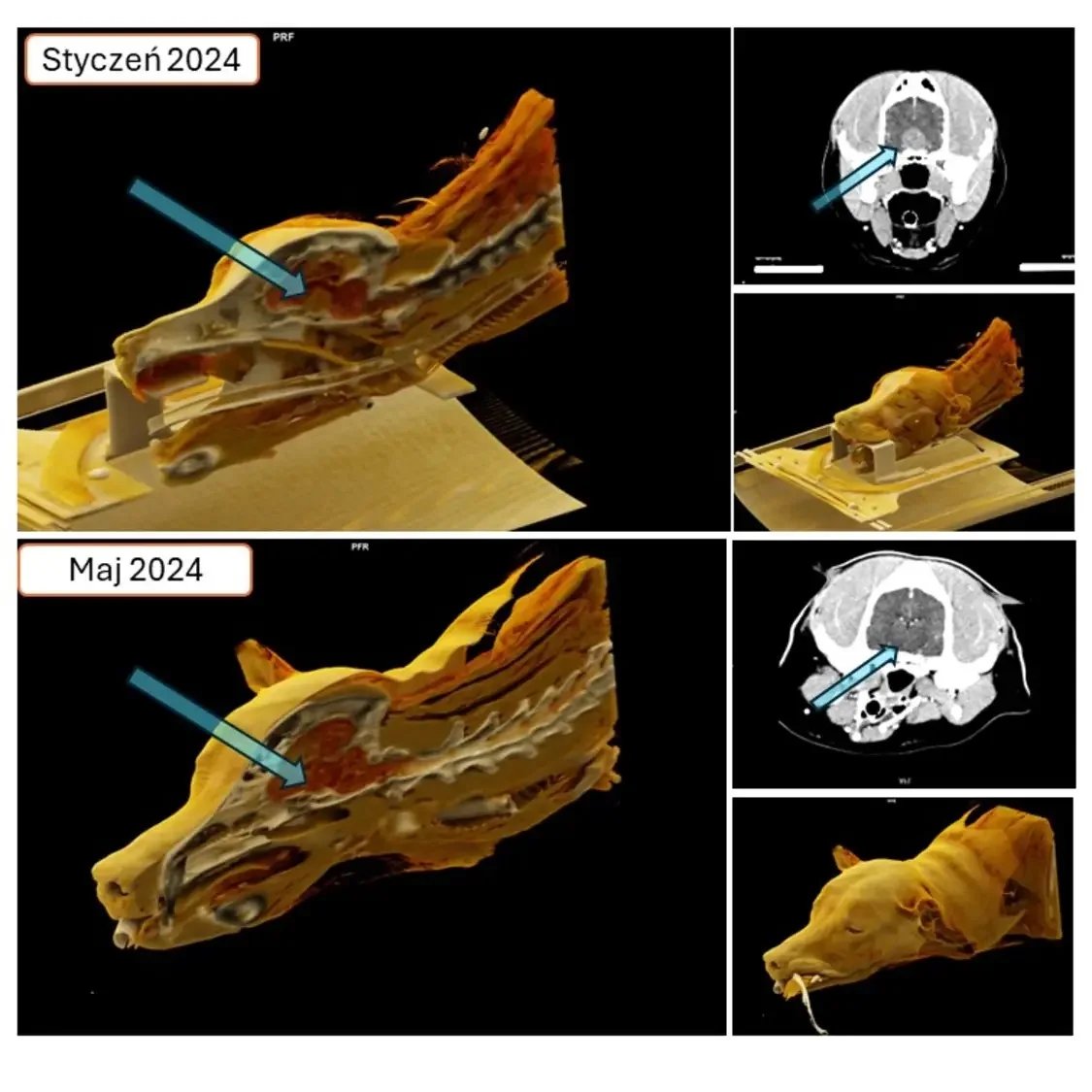
MRI images before the start of the definitive radiotherapy protocol for the pituitary tumour, and 3 and 11 months after the end of treatment:
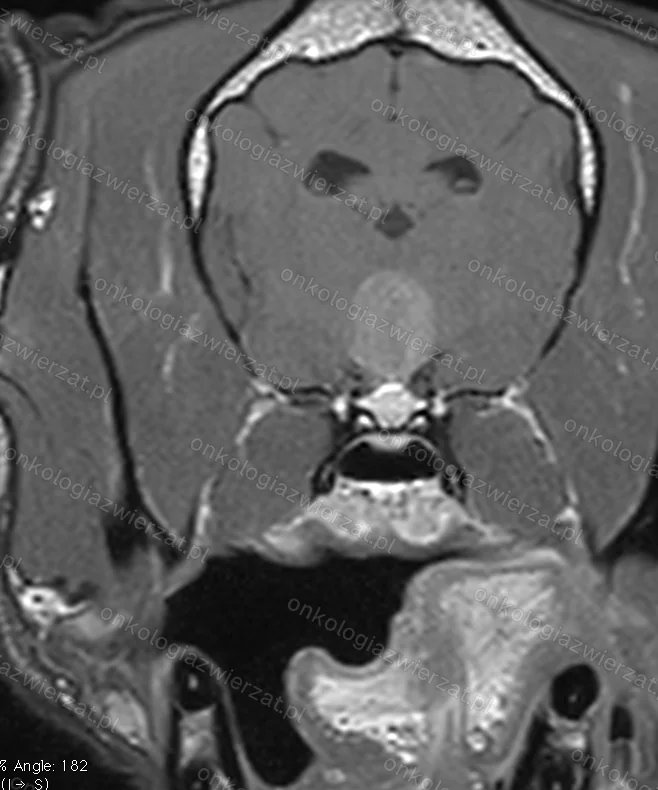
Pituitary tumour in dogs – what you should know
Pituitary tumours are mainly benign proliferative lesions – most often ACTH-secreting adenomas; malignant lesions (carcinoma) are observed less often. An excess of ACTH leads to Cushing’s syndrome (hyperadrenocorticism), and a large tumour, by compressing the surrounding brain structures, can cause neurological disturbances.
Symptoms
Typical symptoms of Cushing’s syndrome include increased thirst and urination, increased appetite, an enlarged abdomen, and skin changes and hair loss. Neurological signs – for example apathy, changes in behaviour, walking in circles or, as in Barbaros, visual disturbances – usually indicate a larger tumour.
Diagnostics and treatment
Diagnosis is based on hormonal tests and imaging of the head (MRI or CT). With definitive radiotherapy protocols for pituitary tumours, median survival times of around 12–36 months are achieved. In most patients, neurological disturbances resolve as a result of treatment, whereas long-term resolution of the hormonal disturbances associated with excessive ACTH secretion is observed in about 30% of patients [Kent et al., 2025].