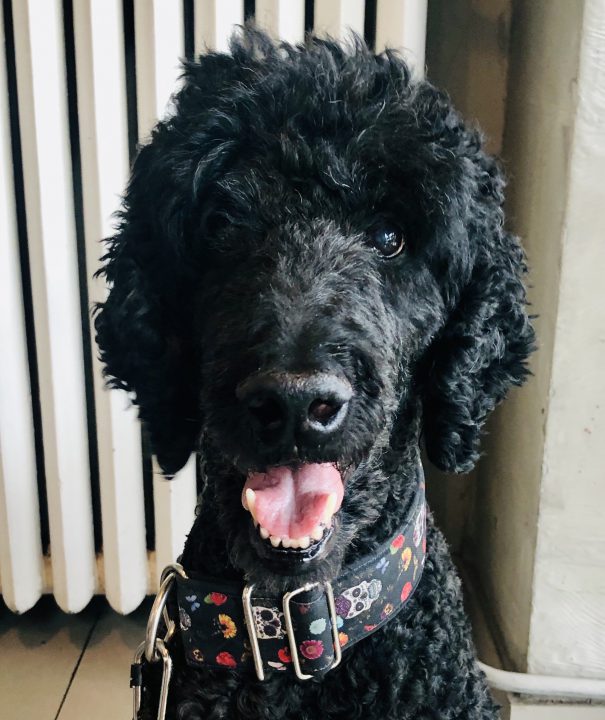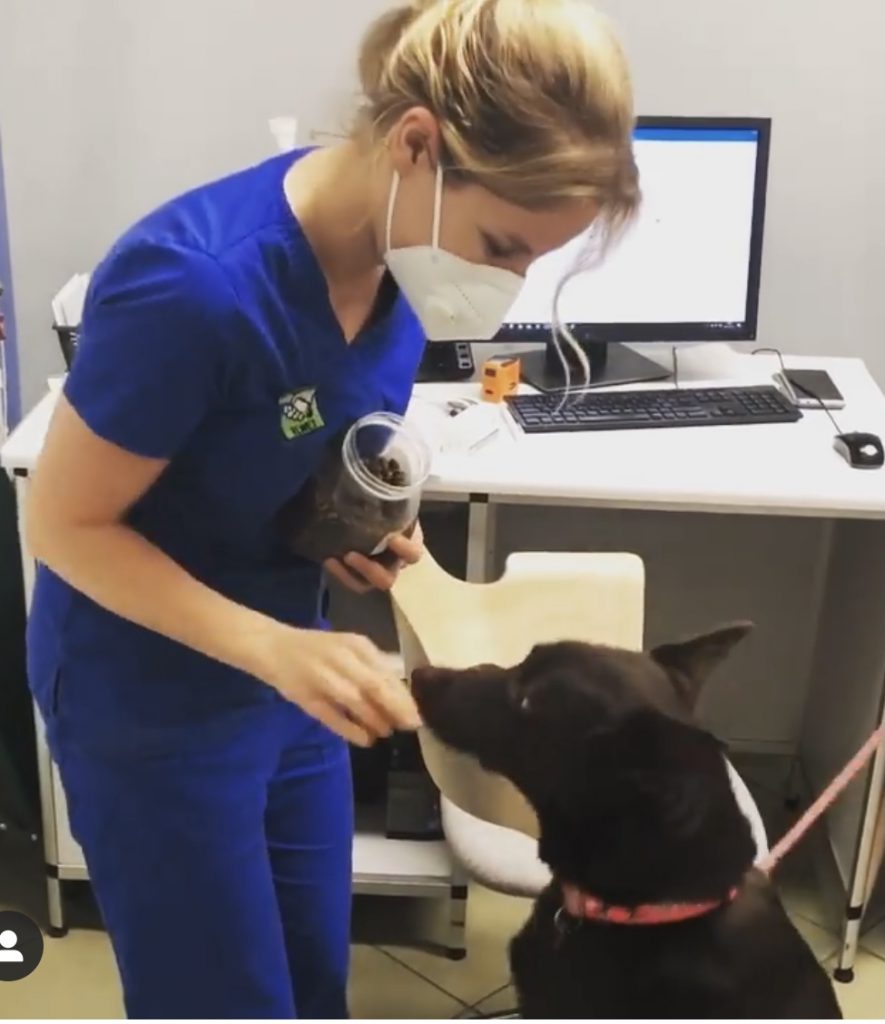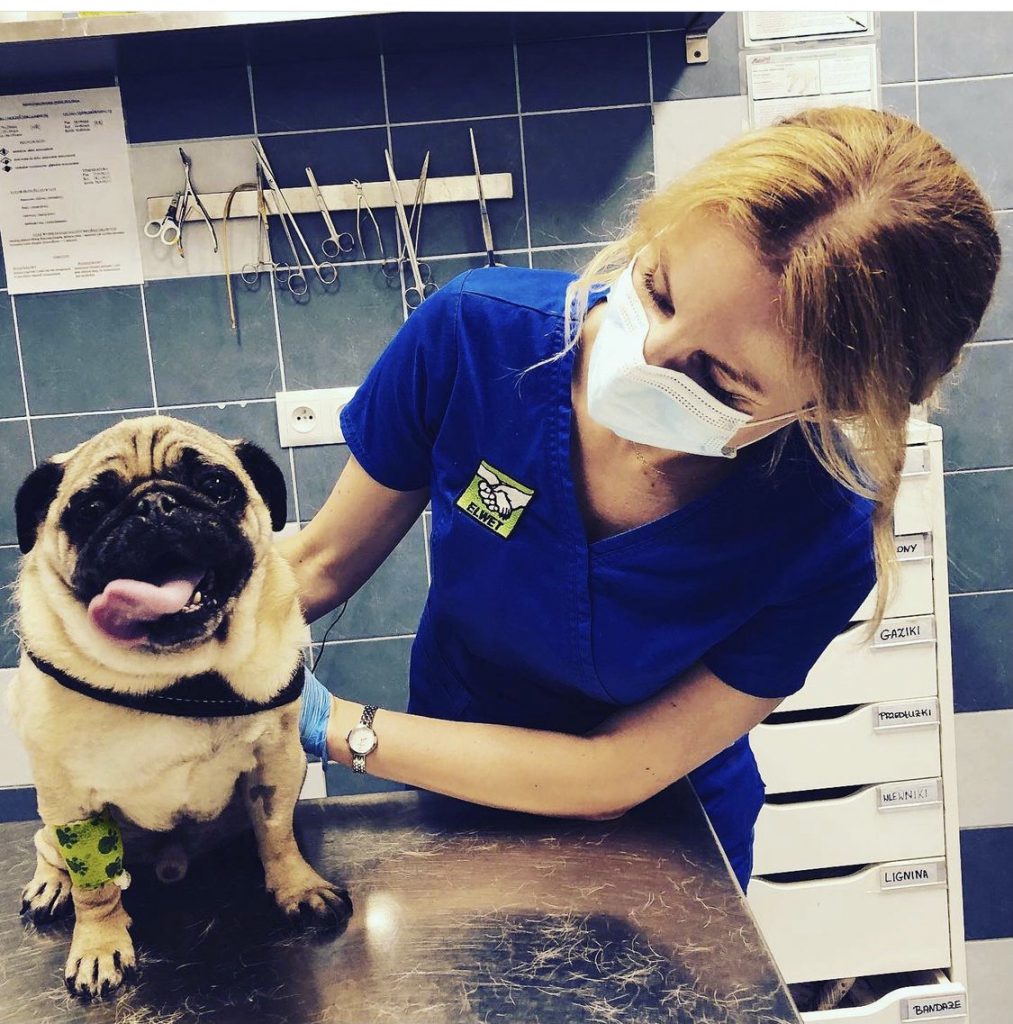

Brain glioma | Borys

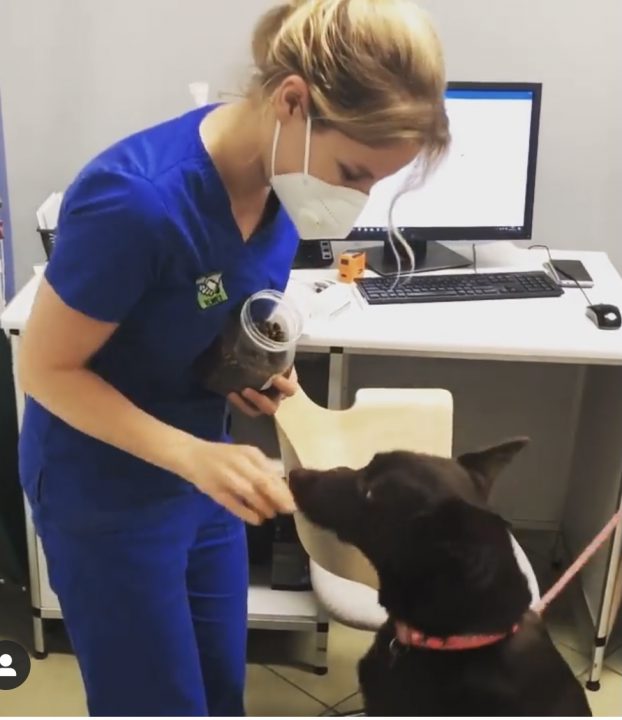
Mast cell tumour / Mastocytoma | Edek
17 September 2021
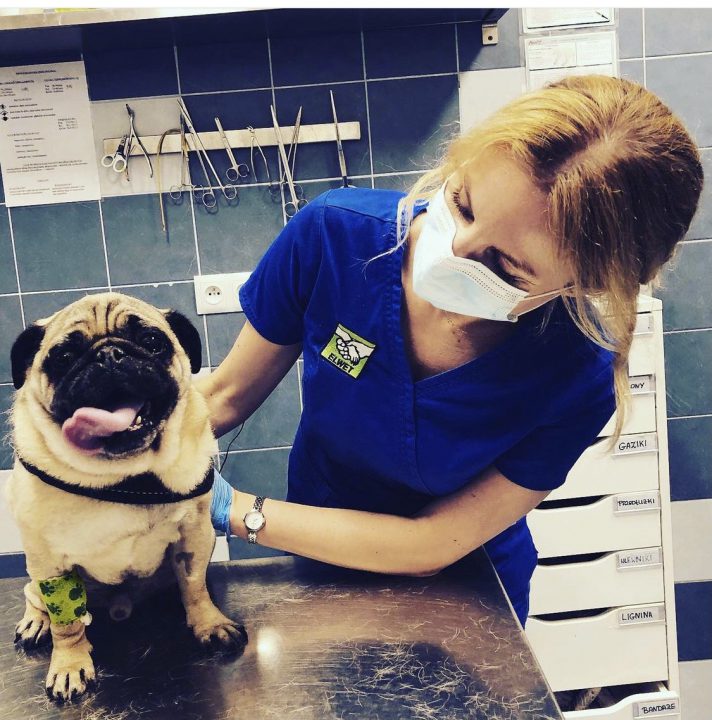
Feline Injection-site Sarcoma / FISS | Czaruś
17 September 2021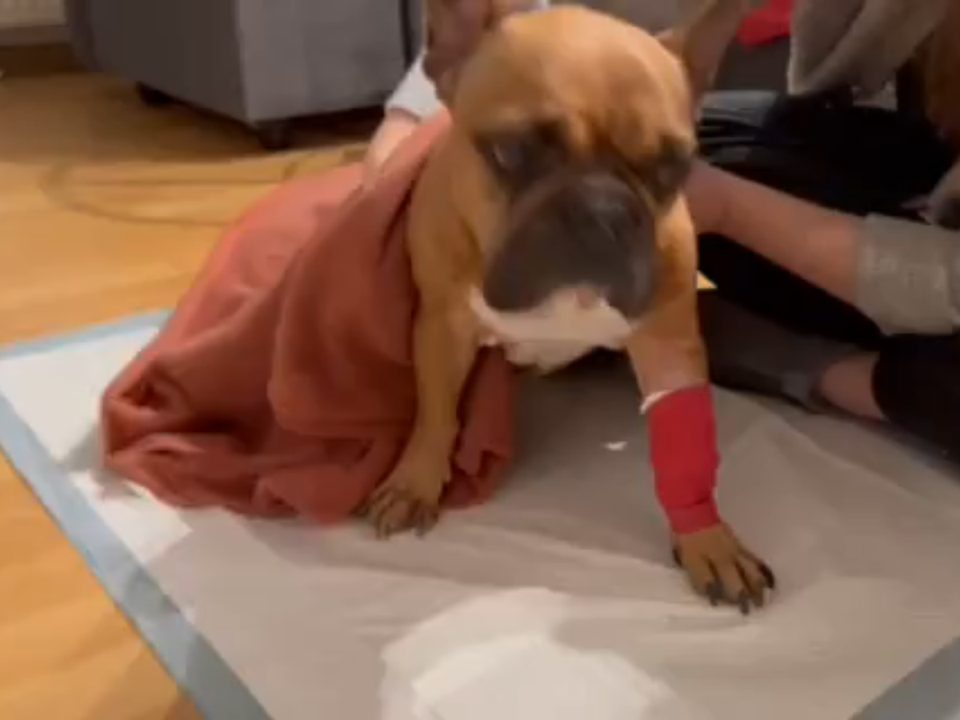
Borys’s story
Borys, a 10-year-old French Bulldog, developed a cancer typical of his breed – a brain glioma. Dogs of brachycephalic (short-headed) breeds are predisposed to this cancer.
Gliomas grow intra-axially, that is, within the brain tissue itself – so they usually cannot be removed surgically with safety, and the treatment of choice is radiotherapy. After the radiotherapy protocol is completed, adjuvant chemotherapy with lomustine or temozolomide can also be introduced. This is exactly how Borys was treated.
The videos below show Borys’s clinical condition before treatment, during radiotherapy and after it was completed.
Brain glioma in dogs – what you should know
Gliomas are primary brain tumours arising from glial cells. They most often affect dogs of brachycephalic breeds, including French and English Bulldogs, Boxers and Boston Terriers.
Symptoms
Symptoms depend on the location of the tumour. Most often they are seizures appearing for the first time in an adult dog, changes in behaviour, walking in circles, and disturbances of balance or vision.
Diagnostics
The basis of diagnosis is magnetic resonance imaging (MRI) of the head. A brain biopsy is rarely performed, so a glioma in a dog is usually diagnosed on the basis of a characteristic MRI appearance.
Treatment
Because of the intra-axial growth of the tumour, radiotherapy is the treatment of choice. Median survival times of dogs treated with radiotherapy are 7–24 months with a definitive protocol and 9–16 months with a palliative protocol [Rohrer et al., 2022]. Adding adjuvant chemotherapy with lomustine after the end of definitive radiotherapy prolongs survival – the median was 658 days compared with 230 days after radiotherapy alone [Moirano et al., 2020].