
Wilms tumour / Nephroblastoma | Ciri

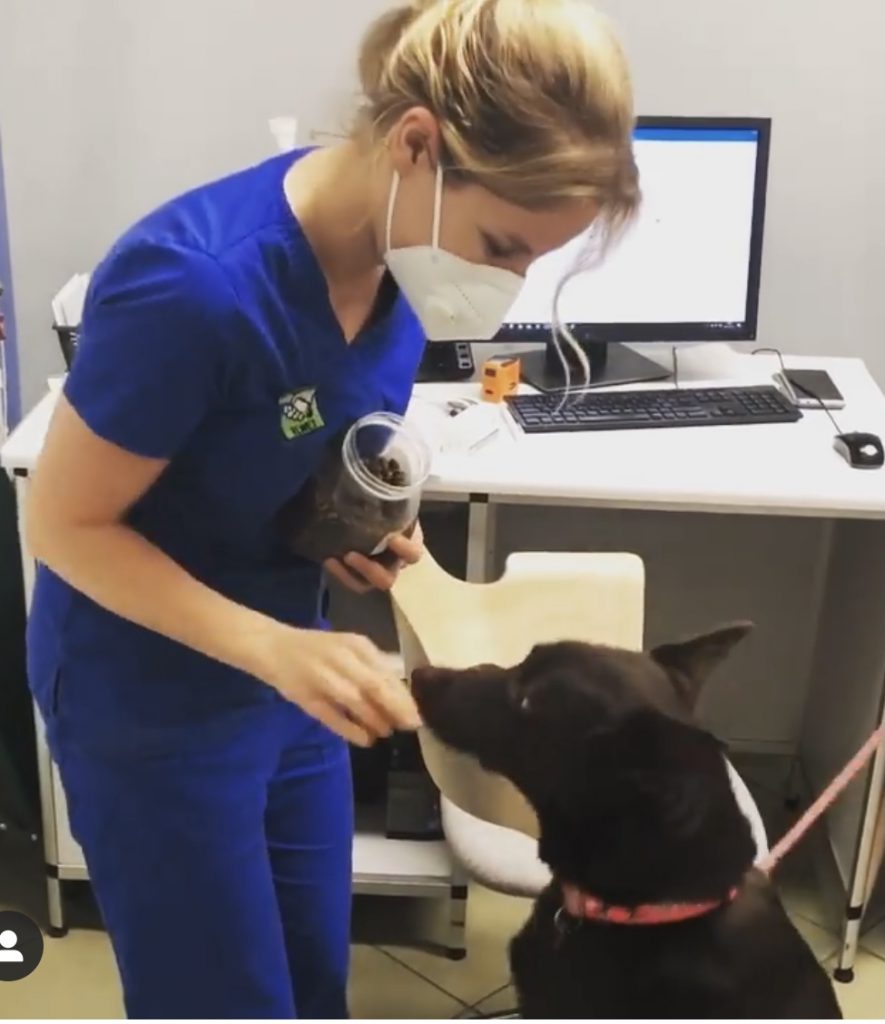
Chondrosarcoma | Nuta
17 September 2021
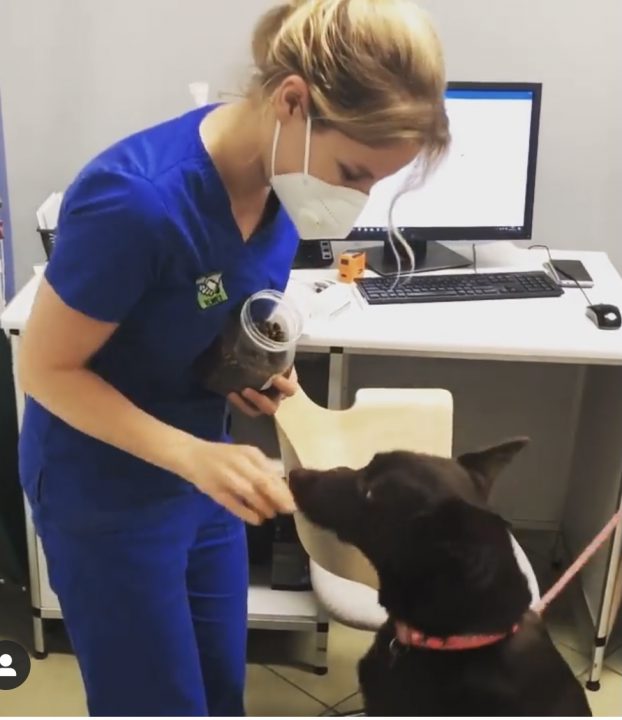
Ciri’s story
Wilms tumour, also called nephroblastoma, is a malignant kidney tumour of young animals, arising from embryonic remnants of the immature kidney. Primary kidney tumours are extremely rarely diagnosed in dogs, and because of their highly malignant features, when undiagnosed they pose a very serious threat to life.
This situation is reflected in the case of Ciri, who was brought to the Clinic at the age of 3 months because of an inconspicuous episode of diarrhoea. During a routine clinical examination it turned out that one of her kidneys was affected by a neoplastic process. A few days later Ciri underwent a nephrectomy. After histopathology confirmed the suspicion of Wilms tumour, Ciri’s treatment was supplemented with chemotherapy. Using chemotherapy in puppies and young dogs is always a major challenge, but given the high malignancy of this tumour, it was necessary to supplement Ciri’s treatment with adjuvant therapy based on vincristine.
It is now a year since Ciri’s treatment ended – the patient feels very well, and we find no signs of metastases on diagnostic imaging.
Wilms tumour in dogs – what you should know
Nephroblastoma is a rare tumour which, unlike most tumours, usually affects young animals. Besides the renal form, nephroblastoma developing within the spinal cord has also been described in young dogs; it presents with gait disturbances and paresis of the hindlimbs.
Symptoms
The renal form can remain without symptoms for a long time. Possible signs include an enlarged abdomen or a palpable mass, blood in the urine, weight loss, weakness or – as in Ciri’s case – non-specific symptoms, in which the tumour is detected incidentally during an examination. This is a good example of how important a thorough clinical examination is, even in very young patients.
Diagnosis and treatment
Diagnosis is based on imaging (ultrasound, computed tomography, chest X-rays to look for metastases) and histopathology. Before a kidney is removed, the function of the other kidney is assessed with blood and urine tests.
Treatment consists of removing the diseased kidney (nephrectomy), which, because of the high malignancy of the tumour, is supplemented with chemotherapy. After treatment is completed, the patient needs regular follow-up examinations.