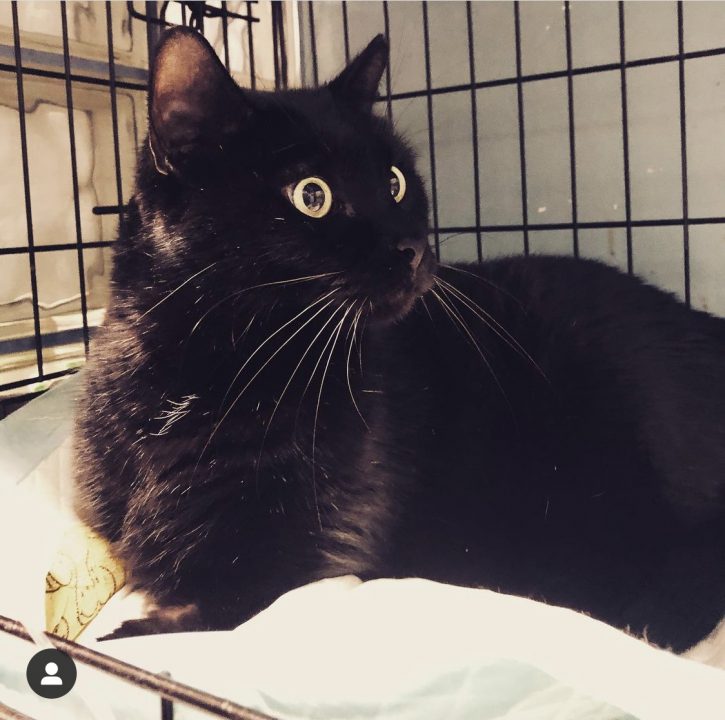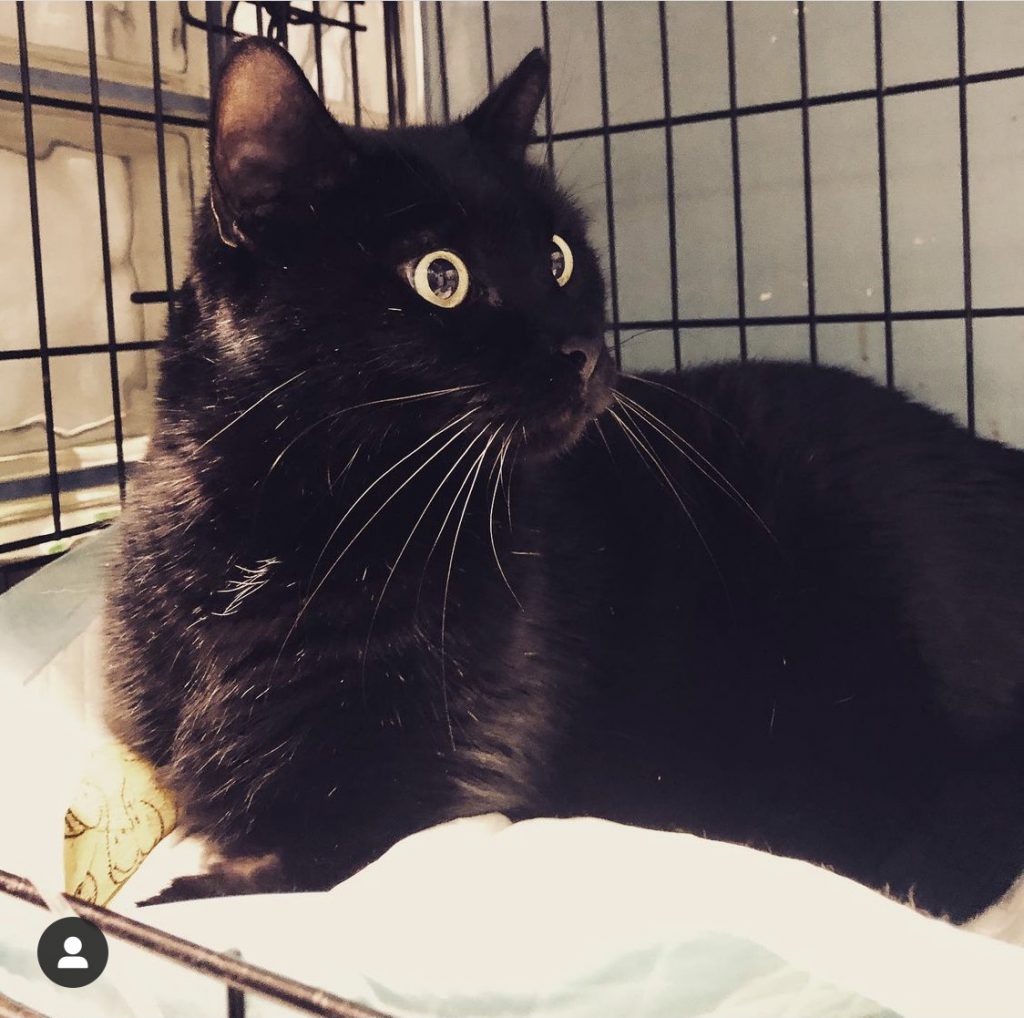

Gastrointestinal lymphoma | Mruczek

Chondrosarcoma | Nuta
17 September 2021
Mast cell tumour / Mastocytoma | Edek
17 September 2021
Mruczek’s story
Lymphoma is one of the most common tumours in cats. Lymphomas are a complex group of tumours arising from lymphoid tissue, which most often includes the lymph nodes, spleen and bone marrow, but they can occur in almost any tissue of the body.
In Mruczek’s case, the lymphoma developed in the gastrointestinal tract. The gastrointestinal lymphoma presented with chronic diarrhoea, vomiting and rapid weight loss. Histopathology and immunophenotyping of the lymphocytes allowed us to determine precisely which type of lymphoma we were dealing with in Mruczek – it turned out to be a large B-cell lymphoma, which led us to implement one of the most intensive chemotherapy protocols, CHOP. We met Mruczek every week for infusions of cytotoxic drugs (doxorubicin / cyclophosphamide / vincristine) over a period of several months. After the end of treatment, Mruczek is regularly monitored with ultrasound examinations; so far we have found no signs of recurrence, and Mruczek feels wonderful.
Gastrointestinal lymphoma in cats – what you should know
Gastrointestinal lymphoma is the most common form of lymphoma in cats and mainly affects older animals. There are two main forms, which differ in their course and treatment:
- small-cell lymphoma (low grade) – develops slowly and for a long time causes symptoms similar to chronic inflammatory bowel disease; it is usually treated with oral medication and has a relatively good prognosis,
- large-cell lymphoma (high grade) – progresses quickly and requires intensive multi-drug chemotherapy, as in Mruczek’s case.
Symptoms
The most common signs are weight loss (sometimes despite a preserved appetite), vomiting, diarrhoea, a variable appetite and weakness. Because the symptoms are non-specific, chronic gastrointestinal problems in an older cat always call for further diagnostic work-up – you can read more about this in the FAQ.
Diagnosis
Ultrasound may show thickening of the intestinal wall and enlarged mesenteric lymph nodes. A biopsy is needed to make the diagnosis: cytology or histopathology of intestinal samples, often supplemented with immunohistochemistry. These tests make it possible to distinguish lymphoma from chronic inflammatory bowel disease and to determine its type – which decides the choice of treatment.